
Focus 01
Integration within Atlanta's four-zone demand structureLocation
Acworth GA Trade Show Exhibit Planning
Strategic coordination for exhibits targeting the northwest Atlanta corridor and Cobb County submarket.
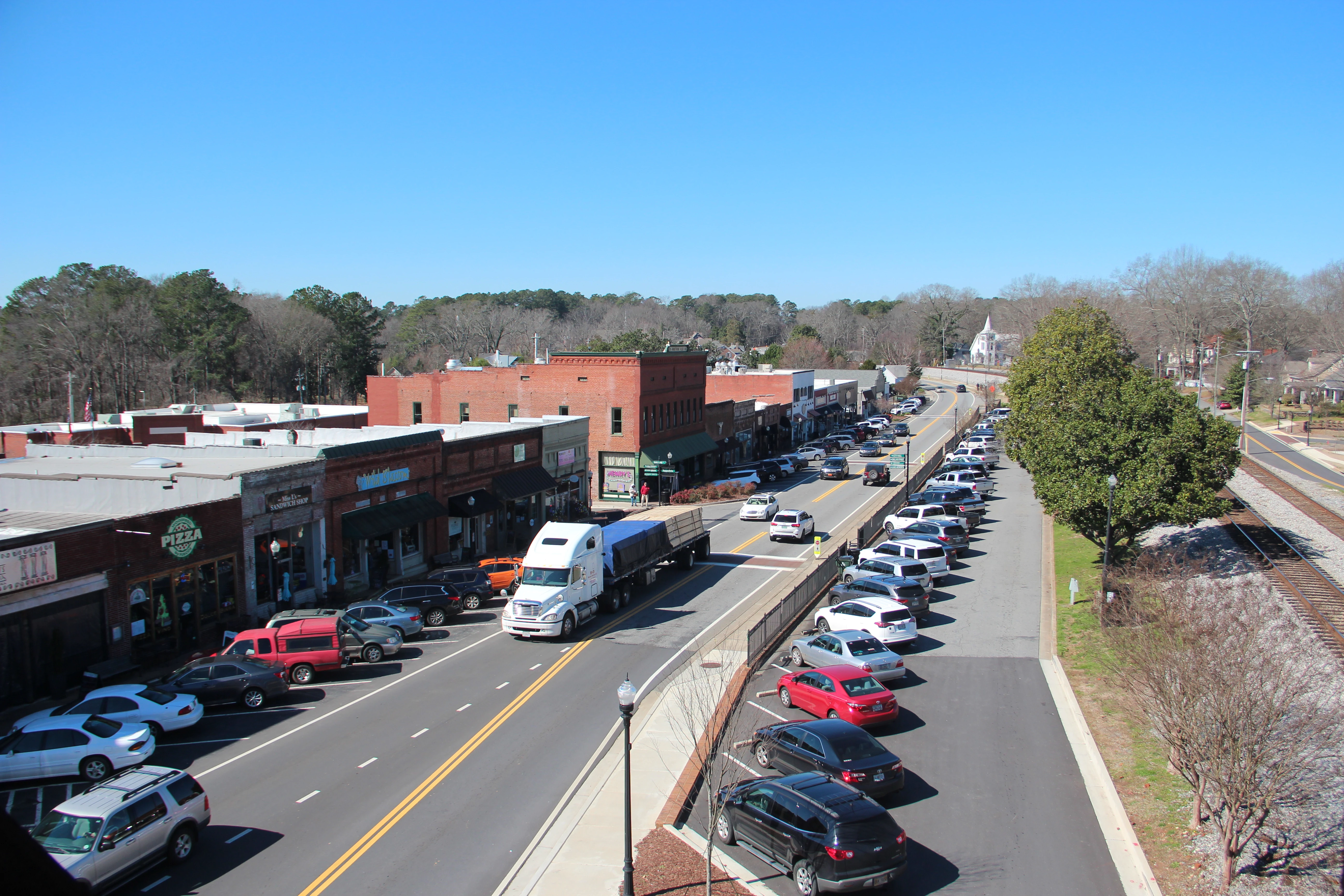
Signal 01Integration within Atlanta's four-zone demand structure
Planning focus
Signal 02Alignment with Cobb Convention Center scale and specifications
Local requirement
Signal 03Custom fabrication responsive to suburban venue footprints
Execution detail
Brief
Acworth occupies a defined position in the northwest quadrant of greater Atlanta, placing it within the Cumberland and Cobb submarket. This area forms one of four practical operating zones that together distribute the region's trade show and convention demand.
The Cobb submarket captures corporate, association, and community event activity that complements the flagship programming at the Georgia World Congress Center, Centennial Olympic Park, and AmericasMart. Venues such as the Cobb Convention Center serve.
Focus
Core Planning Elements for Acworth Exhibitors
Focus 02
Alignment with Cobb Convention Center scale and specificationsFocus 03
Custom fabrication responsive to suburban venue footprintsFocus 04
Logistical sequencing along the I-75 northwest corridorFocus 05
Audience adaptation for regional corporate and association eventsFocus 06
Program control spanning multiple Atlanta market segmentsFocus 07
Consistency between suburban and downtown exhibit deploymentsPlanning notes
What shapes the work.
Note 01
Atlanta's Distributed Trade Show Zones and Acworth Positioning
Atlanta trade show demand operates across four distinct practical zones rather than concentrating in a single downtown cluster. The flagship downtown district leverages the Georgia World Congress Center, Centennial Olympic Park, and AmericasMart for.
- Airport corridor emphasizing fly-in and SkyTrain logistics
- Cobb submarket serving corporate and association demand
- Northeast Gwinnett corridor for complementary community events
- Acworth location supporting efficient access to northwest venues
Note 02
Venue Specifications Relevant to the Cobb Submarket
The Cobb Convention Center and associated Cumberland Galleria facilities present distinct technical parameters compared with downtown or airport venues. Floor plans, ceiling heights, loading dock configurations, and power infrastructure all influence how.
- Review of Cobb-specific floor plans and technical data
- Adaptation to mid-sized hall dimensions and load limits
- Utilization of I-75 corridor routing efficiencies
- Coordination with hotel and auxiliary community venues
Note 03
Custom Fabrication Strategies for Northwest Atlanta
Custom exhibit fabrication for the Cobb submarket balances visual impact with practical portability. Exhibits intended for both suburban venues and occasional downtown appearances benefit from modular frameworks that can be scaled or reconfigured without full.
- Modular systems enabling multi-zone reuse
- Interactive configurations suited to regional audiences
- Durability planning for repeated annual deployments
- Graphic flexibility for rapid campaign updates
Note 04
Logistical and Operational Coordination Details
Operational planning for Acworth participants focuses on the practical rhythms of the northwest corridor. Events at Cobb facilities often feature compressed move-in and move-out schedules that reward precise sequencing and advance confirmation of all.
Note 05
Audience Engagement and Program Architecture
Regional audiences at Cobb submarket events differ in composition from the national and international crowds drawn to downtown Atlanta conventions. Planning therefore adjusts engagement tactics to emphasize North Georgia business priorities, sector-specific.
- Regional audience priorities and interaction styles
- Metrics differentiated by zone and event type
- Thematic sequencing across suburban and flagship shows
- Digital extension tools for broader reach
Note 06
Developing Sustainable Multi-Year Exhibit Programs
Long-term success in the Acworth segment of the Atlanta market depends on treating exhibits as capital assets rather than one-off expenses. Investment in quality custom fabrication yields lower per-show costs over multiple seasons while preserving premium.
Note 07
The Advantage of Structured Planning Resources
Atlanta's four-zone structure creates a level of complexity that benefits from specialized coordination knowledge. Generic approaches frequently overlook the operational distinctions between Cobb submarket venues and downtown flagships, resulting in.
- Zone-specific design and timeline frameworks
- Budget models for multi-event coordination
- Feedback systems linking suburban and downtown results
- Ongoing monitoring of venue policy updates
Questions
Acworth GA Trade Show Planning FAQ
How does Acworth relate to Atlanta trade show zones?
Acworth is situated in the Cumberland and Cobb submarket, one of four primary zones that include downtown Atlanta with the Georgia World Congress Center, the airport corridor with GICC, and the northeast Gwinnett area. This placement supports efficient participation in suburban corporate and association events.
What distinguishes Cobb submarket events from downtown Atlanta conventions?
Cobb events generally feature regional audiences, more compact exhibit spaces, ample parking, and corporate focus, while downtown programming at venues like the GWCC and AmericasMart draws larger national audiences with expansive halls and broader industry scope.
Why focus on venue-specific planning for Acworth exhibitors?
Each Atlanta zone presents unique floor plans, technical requirements, audience expectations, and operational timelines. Coordination that accounts for these differences ensures exhibits perform effectively at Cobb Convention Center events as well as downtown or airport venues.
How should multi-zone Atlanta programs be structured?
Effective programs use modular custom exhibits, unified messaging, and sequenced scheduling that leverage geographic advantages. This allows concepts tested in Cobb submarket settings to inform larger downtown activations at the Georgia World Congress Center or AmericasMart.