
Focus 01
Zone-specific exhibit specifications matched to downtown scale versus suburban flexibilityLocation
Trade Show Planning and Coordination for Chamblee, GA
Chamblee businesses gain strategic advantage through precise alignment with Atlanta's four distinct trade show operating zones and their specialized venue requirements.
Signal 01Zone-specific exhibit specifications matched to downtown scale versus suburban flexibility
Planning focus
Signal 02Calendar mapping across downtown, airport, Cobb, and Gwinnett venue clusters
Local requirement
Signal 03Design differentiation for flagship conventions versus regional corporate events
Execution detail
Brief
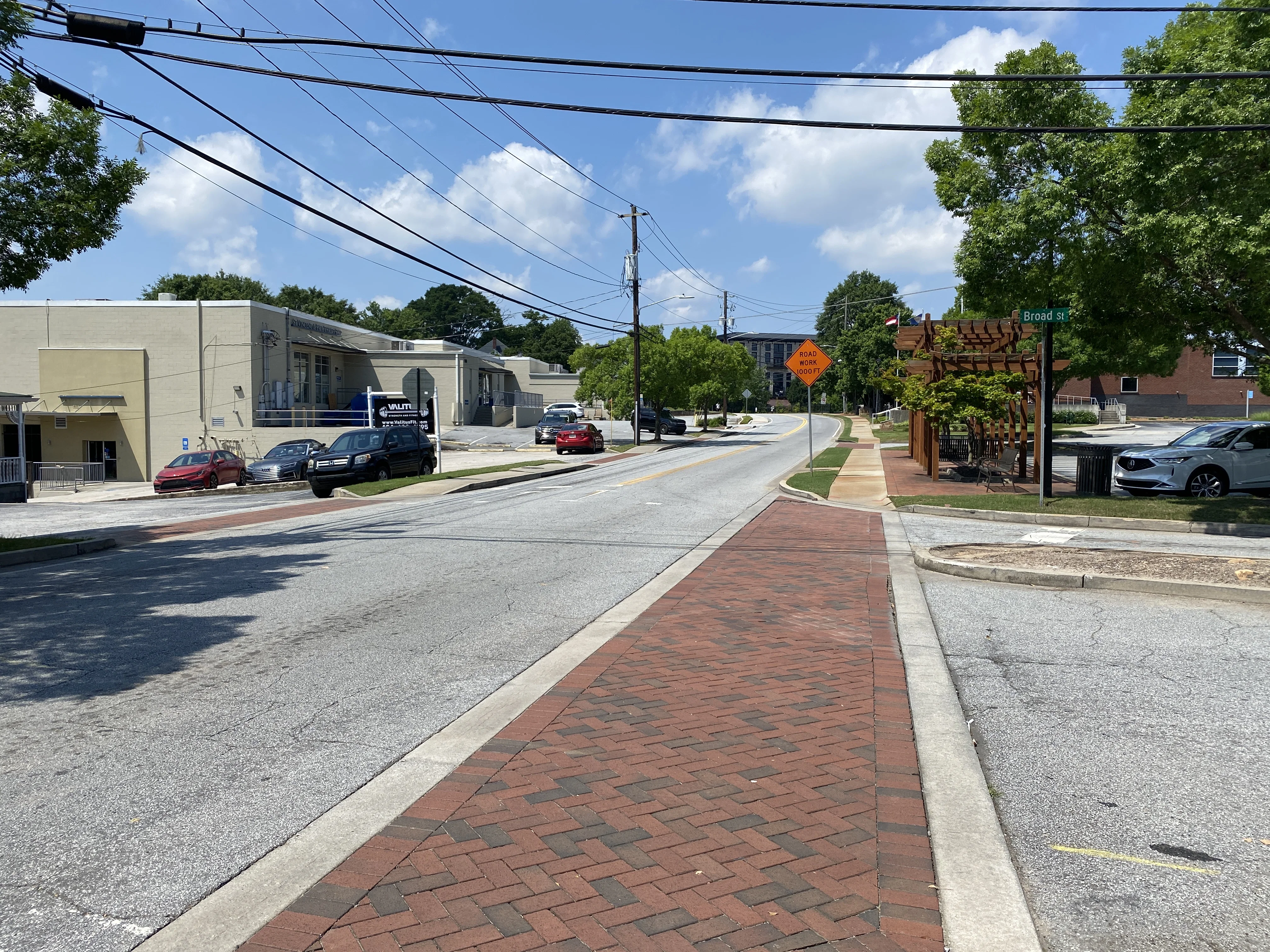
Chamblee functions as a secondary but well-positioned node within Atlanta's broader trade show and convention ecosystem. Its placement in the northeastern sector of the metro area supports efficient routing to downtown flagship venues as well as suburban expo.
Atlanta's trade show demand distributes across four practical operating zones: the downtown core led by the Georgia World Congress Center, Centennial Olympic Park, and AmericasMart; the airport and College Park corridor designed around fly-in convenience; the.
Focus
Core Planning Considerations for Chamblee-Area Exhibitors
Focus 02
Calendar mapping across downtown, airport, Cobb, and Gwinnett venue clustersFocus 03
Design differentiation for flagship conventions versus regional corporate eventsFocus 04
Timeline alignment with documented load-in and move-out windows at each facilityFocus 05
Budget structures that account for variable operational factors by market zoneFocus 06
Measurement frameworks that isolate performance by venue type and audience segmentFocus 07
Risk mitigation protocols for Atlanta's concentrated peak-season schedulePlanning notes
What shapes the work.
Note 01
Chamblee's Position Within Atlanta's Four Trade Show Zones
The Atlanta convention market operates as an interconnected system of four primary zones rather than a single downtown-centric hub. Downtown Atlanta remains the flagship district where the Georgia World Congress Center, Centennial Olympic Park, and.
- Downtown cluster produces deepest demand for custom fabrication
- Airport zone prioritizes rapid setup and fly-in attendee convenience
- Cobb and Gwinnett corridors serve regional corporate and association shows
- Chamblee provides northeastern routing options to multiple zones
Note 02
Downtown Atlanta Venues and Associated Exhibit Demands
The Georgia World Congress Center serves as the cornerstone of Atlanta's downtown convention infrastructure, documented in its official planning guide as supporting large-scale events with significant floor space and advanced technical capabilities. Exhibits.
- GWCC planning guide details floor capacities and technical specifications
- Centennial Olympic Park enables hybrid indoor-outdoor activations
- AmericasMart emphasizes buyer-focused showroom environments
- Downtown events typically command largest custom exhibit budgets
Note 03
Airport Corridor Venues and Fly-In Optimization
The Georgia International Convention Center and Gateway Center Arena at College Park form a deliberate cluster positioned for air-travel convenience. These facilities explicitly market their adjacency to the ATL SkyTrain, enabling attendees to move from.
Note 04
Suburban Corridor Venues in Cobb and Gwinnett
Facilities outside the downtown and airport zones capture substantial demand that cannot be addressed through a single-venue lens. The Cobb Convention Center in the northwest and the Gas South Convention Center in the Gwinnett corridor host corporate.
- Cobb Convention Center serves northwest corporate and association demand
- Gas South Convention Center anchors northeast suburban activity
- Suburban venues favor modular and rapidly configurable exhibits
- Highway access from Chamblee supports multi-venue sequencing
Note 05
Zone-Aware Custom Exhibit Development
Effective exhibit programs for the Atlanta market reject generic solutions in favor of designs calibrated to the operational DNA of each zone. Downtown flagship venues reward investment in custom fabrication that leverages height, lighting infrastructure, and.
Note 06
Timeline Coordination Across Atlanta's Peak Seasons
Atlanta's convention calendar features pronounced peak periods when multiple major venues book simultaneously. Planning for Chamblee participants therefore incorporates advance review of published show schedules for the GWCC, GICC, Cobb Galleria, and Gas.
- Reference official GWCC and GICC planning documents for timelines
- Map overlapping events across all four operating zones
- Build buffer periods for transitions between downtown and suburban shows
- Integrate graphic and fabrication milestones into master calendar
Note 07
Budget Allocation and Performance Measurement
Budgets for Atlanta programs must reflect zonal cost variations rather than applying a flat percentage across all events. Downtown exhibits at the GWCC or AmericasMart typically command higher fabrication and graphic investment due to scale and visibility.
Note 08
Developing a Multi-Year Atlanta Exhibit Program
Mature programs treat individual shows as data points within a larger strategic arc rather than isolated tactical exercises. Coordination for Chamblee-area companies begins with a foundational audit of past participation across Atlanta zones to identify.
- Audit historical participation by operating zone
- Define asset tiers for flagship, regional, and test events
- Schedule annual reviews against updated venue documentation
- Maintain brand continuity while adapting to zonal requirements
Questions
Frequently Asked Questions About Exhibit Planning for Chamblee, GA
How does Chamblee fit into Atlanta's trade show zones?
Chamblee functions as a secondary northeastern location that supports practical routing to both downtown flagship venues and the Duluth-Gwinnett suburban corridor. Planning therefore maps Chamblee participation against the four documented operating zones rather than treating it as an isolated market.
What are the primary downtown Atlanta venues?
The Georgia World Congress Center, Centennial Olympic Park, and AmericasMart form Atlanta's downtown core. Each presents distinct requirements for exhibit scale, technical infrastructure, and attendee engagement that must be addressed during the planning phase.
Why differentiate planning by airport and suburban venues?
Airport venues such as the GICC emphasize fly-in convenience and compressed timelines while suburban centers like Cobb and Gas South serve regional audiences with different spatial and operational constraints. Uniform approaches fail to optimize outcomes across these varied environments.
What role do official planning guides play?
Documents such as the GWCCA Planning Guide and facility floor plans provide authoritative specifications on load capacities, electrical distribution, rigging points, and scheduling windows. Coordination begins with these references to eliminate assumptions and reduce on-site complications.