
Focus 01
Mapping Buckhead against Atlanta’s four primary event zonesLocation
Buckhead Atlanta GA Trade Show Exhibit Planning and Coordination
Navigate Buckhead’s sophisticated district dynamics with precise exhibit strategies that integrate smoothly into Atlanta’s segmented convention ecosystem.
Signal 01Mapping Buckhead against Atlanta’s four primary event zones
Planning focus
Signal 02Coordinating logistics between northern district venues and downtown hubs
Local requirement
Signal 03Designing modular exhibits suited to Buckhead’s refined scale
Execution detail
Brief
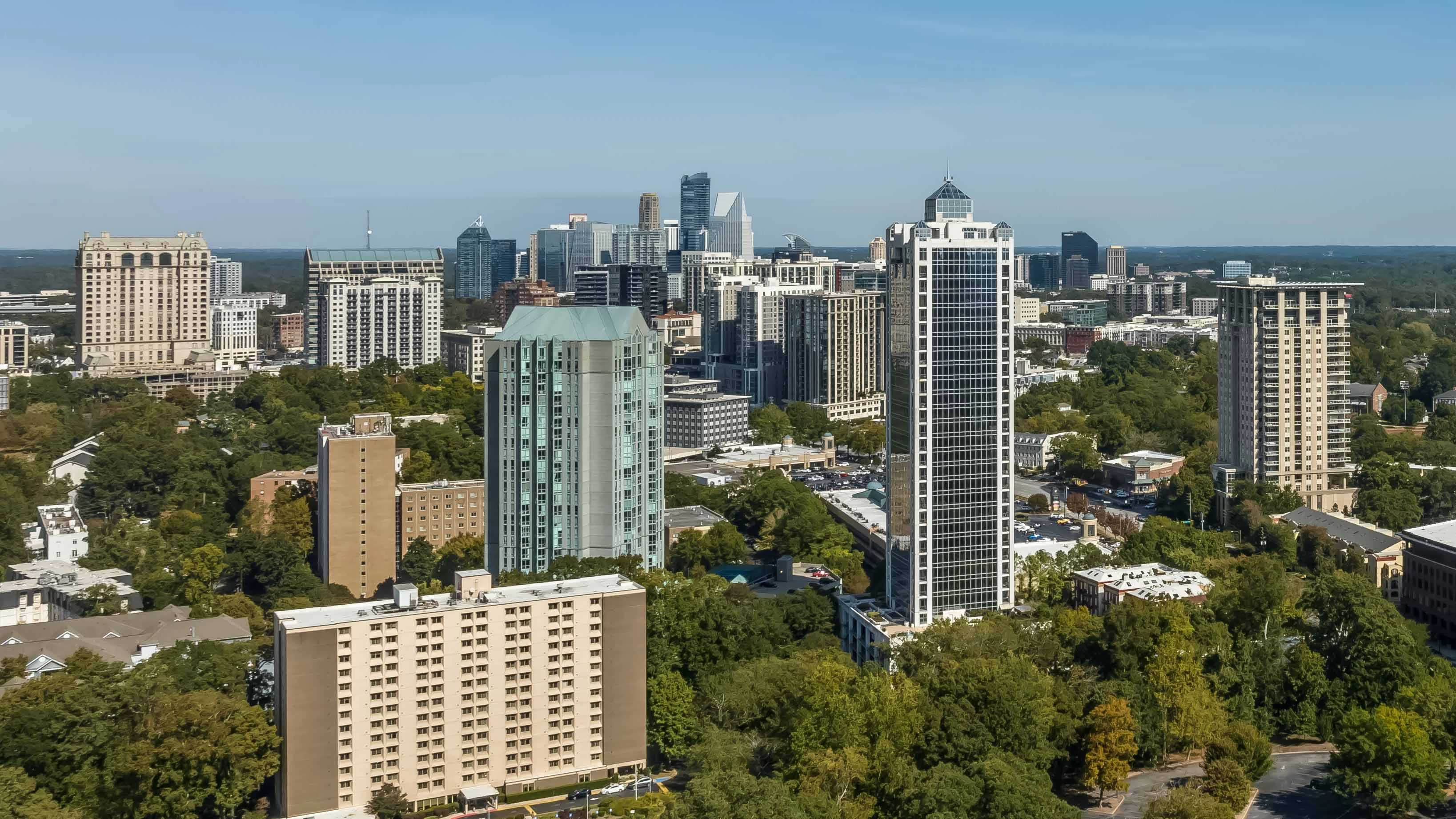
Buckhead operates as a primary northern district within Atlanta’s distributed trade show market, offering a refined environment that complements the flagship downtown cluster led by the Georgia World Congress Center, Centennial Olympic Park, and AmericasMart.
Planning resources for Buckhead events emphasize coordination across Atlanta’s four practical operating zones: the downtown core, the airport and College Park corridor served by the Georgia International Convention Center and Gateway Center Arena, the.
Focus
Core Planning Elements for Buckhead Events
Focus 02
Coordinating logistics between northern district venues and downtown hubsFocus 03
Designing modular exhibits suited to Buckhead’s refined scaleFocus 04
Aligning timelines with major conventions at GWCC and AmericasMartFocus 05
Integrating technology for high-value audience engagementFocus 06
Optimizing budgets for cross-district Atlanta programsFocus 07
Evaluating performance within Buckhead’s corporate networksPlanning notes
What shapes the work.
Note 01
Buckhead’s Role in Atlanta’s Segmented Trade Show Landscape
Atlanta’s trade show demand distributes across four distinct operational zones that together create a comprehensive regional ecosystem. Downtown Atlanta functions as the flagship convention zone, driven by the dense concentration of facilities including the.
- Airport corridor emphasizing ATL SkyTrain and fly-in access
- Cobb and northwest suburban demand drivers
- Gwinnett and northeast expo facilities
- Buckhead’s primary positioning for northern corporate events
Note 02
District-Specific Venue and Operational Considerations
Buckhead’s event infrastructure emphasizes hospitality-driven and corporate meeting spaces that operate at a more intimate scale than the expansive halls found in downtown or suburban expo facilities. This creates distinct operational parameters for exhibit.
Note 03
Custom Exhibit Design and Fabrication Coordination
Coordinating custom exhibit solutions for Buckhead requires early alignment between program objectives and the district’s preference for sophisticated, brand-centric presentations. Fabrication timelines must account for the need for modular components that.
- Modular construction for cross-zone flexibility
- Material selections aligned with premium environments
- Engineering reviews for multiple venue types
- Brand consistency protocols across districts
Note 04
Logistics Planning Across Atlanta Zones
Logistical coordination for programs that include Buckhead centers on efficient movement of materials between northern district locations and the primary convention clusters. Interstate access and public transit connections facilitate this movement, yet.
Note 05
Technology Integration for Enhanced Engagement
Modern exhibit programs in Buckhead increasingly incorporate interactive technology to facilitate meaningful exchanges with corporate and high-value audiences. Digital kiosks, real-time analytics platforms, and immersive presentation systems can be.
- Interactive displays calibrated for executive audiences
- Analytics integration for cross-zone comparison
- Connectivity verification per venue type
- Redundant systems for program continuity
Note 06
Timeline Management and Program Control Best Practices
Comprehensive timeline management for Atlanta programs incorporating Buckhead begins 9 to 12 months prior to the first event, allowing sufficient windows for design, fabrication, logistics mapping, and rehearsal. Key milestones include district-specific venue.
Note 07
Performance Measurement and Continuous Improvement
Evaluating outcomes from Buckhead events requires frameworks that balance quantitative metrics such as lead volume with qualitative indicators including decision-maker engagement and brand perception shifts. These measurements gain context when compared.
- Lead quality scoring by district
- Comparative analysis across Atlanta zones
- Brand lift measurement protocols
- Refinement cycles for subsequent programs
Questions
Frequently Asked Questions About Exhibit Planning in Buckhead Atlanta GA
How does planning for Buckhead events differ from downtown Atlanta conventions?
Buckhead emphasizes refined, targeted corporate and executive engagements within a hospitality-focused district, while downtown leverages large-scale facilities such as the Georgia World Congress Center and AmericasMart for high-volume exhibits. Coordination must address these differences in scale, audience profile, and logistical integration with the four primary Atlanta event zones.
What are the four main operational zones in the Atlanta trade show market?
Atlanta’s demand splits across downtown led by GWCC, Centennial Olympic Park, and AmericasMart; the airport and College Park corridor featuring GICC and Gateway Center Arena with ATL SkyTrain access; the northwest Cumberland and Cobb submarket; and the northeast Duluth and Gwinnett corridor. Buckhead serves as a primary northern district within this ecosystem.
Why is early timeline planning important for Buckhead exhibit programs?
Early planning accommodates custom fabrication, cross-zone logistics between Buckhead and major venues, alignment with downtown convention calendars, and thorough testing of technology integrations. This discipline prevents scheduling conflicts and supports higher quality execution across Atlanta’s interconnected districts.
How should exhibitors measure success in Buckhead activations?
Metrics should combine quantitative data such as qualified leads with qualitative assessments of engagement depth and brand perception among corporate audiences. Comparative analysis against other Atlanta zones provides context for refining future programs and optimizing resource allocation.