
Focus 01
Synergies between adjacent venues in the GWCC campus and Centennial Olympic ParkLocation
Downtown Atlanta GA Trade Show Exhibit Planning
Coordinating high-impact exhibitions at the core of Atlanta's convention district
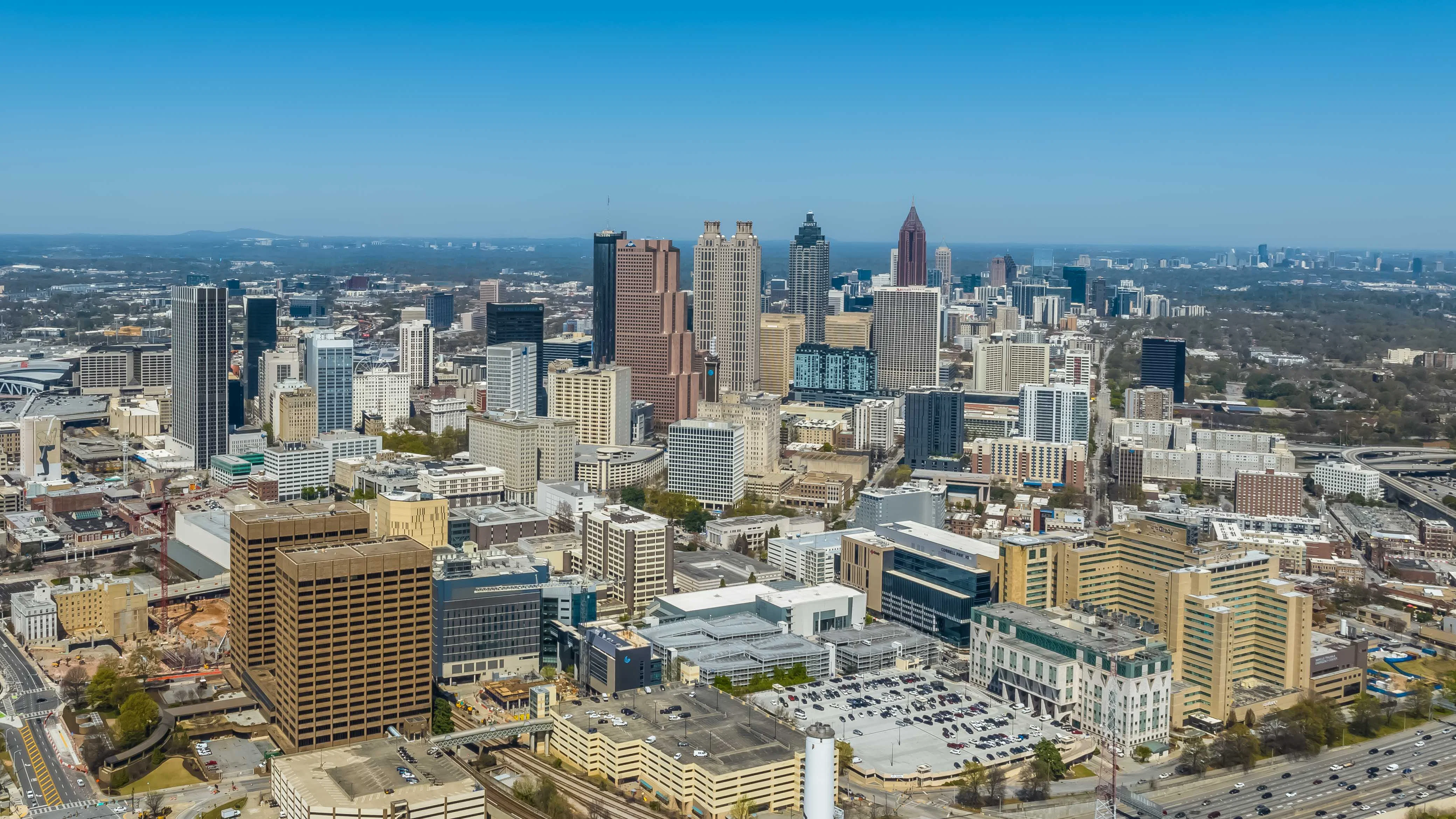
Signal 01Synergies between adjacent venues in the GWCC campus and Centennial Olympic Park
Planning focus
Signal 02Integration of exhibit builds with AmericasMart showroom requirements
Local requirement
Signal 03District-specific delivery timing and downtown traffic pattern considerations
Execution detail
Brief
Downtown Atlanta functions as the primary convention hub where the Georgia World Congress Center, Centennial Olympic Park, and AmericasMart converge to generate concentrated demand for exhibits, branded activations, and buyer showrooms. This district-level.
Successful participation requires detailed attention to venue-specific parameters, attendee flow between facilities, and the distinct audience profiles each location attracts. From large-scale industry gatherings at the GWCC to targeted product presentations.
Focus
Essential Planning Elements for Downtown Atlanta Exhibitions
Focus 02
Integration of exhibit builds with AmericasMart showroom requirementsFocus 03
District-specific delivery timing and downtown traffic pattern considerationsFocus 04
Multi-event scheduling that capitalizes on overlapping convention calendarsFocus 05
Activation strategies that leverage park space for experiential extensionsFocus 06
Audience segmentation across corporate, association, and buyer audiencesFocus 07
Program control frameworks for maintaining brand standards district-widePlanning notes
What shapes the work.
Note 01
The Central Role of Downtown Atlanta in Regional Trade Show Demand
Atlanta's trade show activity divides into four distinct operating zones, with downtown representing the flagship district due to its unmatched density of major venues. The Georgia World Congress Center serves as the anchor for large conferences and.
- Flagship status driven by venue density rather than isolated facilities
- Distinct from airport, Cobb, and Gwinnett corridors in scale and audience mix
- Supports both temporary exhibits and longer-term showroom presence
- Enables cross-venue campaigns within a defined downtown footprint
Note 02
Georgia World Congress Center Exhibition Coordination
The Georgia World Congress Center stands as the largest facility in the downtown cluster, hosting events that demand exhibits capable of performing in high-traffic, multi-hall environments. Planning for this venue involves careful consideration of floor.
Note 03
Centennial Olympic Park Activation Planning
Centennial Olympic Park functions as a strategic extension of indoor programming, offering open space for branded experiences that complement exhibits housed within the adjacent Georgia World Congress Center. Planning these activations requires understanding.
- Adjacent positioning supports integrated attendee journeys
- Focus on experiential elements that extend indoor exhibit narratives
- Requires separate yet aligned permitting and operational planning
- Enhances visibility through combination of controlled and open access
Note 04
AmericasMart Showroom and Temporary Exhibit Strategies
AmericasMart operates as a specialized component of the downtown ecosystem, focusing on wholesale markets, trade events, and permanent showroom displays that serve targeted industry buyers. Planning exhibit and display programs here differs from general.
Note 05
District-Wide Logistics and Timeline Management
Downtown Atlanta's compact layout presents both advantages and specific coordination challenges related to deliveries, storage, and transportation between venues. Planning must incorporate detailed timelines that account for city traffic patterns, designated.
- Integration of venue calendars to identify shared opportunities
- Structured approaches to managing peak-period delivery constraints
- Focus on maintaining program continuity across connected sites
- Emphasis on advance scheduling to align with district infrastructure
Note 06
Connecting Downtown Programs to Atlanta's Broader Market
While downtown Atlanta serves as the primary concentration point, effective planning recognizes its relationship to the city's three additional operating zones: the airport and College Park corridor, the Cumberland and Cobb submarket, and the Duluth and.
Note 07
Developing Effective Measurement Frameworks for Downtown Exhibitions
The density of activity in downtown Atlanta enables more sophisticated measurement approaches that capture both direct booth interactions and extended exposure through park activations and showroom engagements. Planning incorporates metrics frameworks that.
- Multi-venue attribution models for connected downtown campaigns
- Differentiation of metrics across exhibit, activation, and showroom components
- Longitudinal tracking that compares performance across event cycles
- Integration of qualitative feedback from diverse downtown audience segments
Questions
Frequently Asked Questions About Downtown Atlanta Exhibit Planning
What makes downtown Atlanta the flagship district for trade shows?
The combination of the Georgia World Congress Center, Centennial Olympic Park, and AmericasMart creates the deepest cluster of exhibit, activation, and buyer-showroom demand in the Atlanta market. This concentration supports coordinated programs that leverage proximity between venues in ways not possible across other operating zones.
How does planning differ for the Georgia World Congress Center versus AmericasMart?
GWCC planning emphasizes large-scale convention infrastructure, multi-hall traffic flow, and extended installation timelines. AmericasMart requires focus on buyer-centric product presentation, alignment with market week schedules, and integration with permanent showroom environments. Effective coordination addresses both within a unified downtown strategy.
Can one exhibit program effectively serve multiple downtown venues?
Yes. The compact district layout and interconnected calendars of the GWCC, Centennial Olympic Park, and AmericasMart enable modular exhibit solutions and coordinated scheduling that extend presence across venues while controlling costs and maintaining brand consistency.
What role does Centennial Olympic Park play in downtown exhibition strategies?
The park serves as an activation extension to indoor programming, allowing experiential elements that draw both registered attendees and broader audiences. Planning integrates these outdoor components with convention floor exhibits to create comprehensive downtown campaigns.