
Focus 01
Precise crew sizing matched to booth dimensions and venue hall specs like GWCC's expansive exhibit floors or GICC's airport-adjacent layoutsService
Trade Show Labor Management in Atlanta GA
Streamline your exhibit labor operations across Atlanta's diverse convention landscape from Georgia World Congress Center to Gas South Convention Center with precise planning and oversight that ensures smooth.
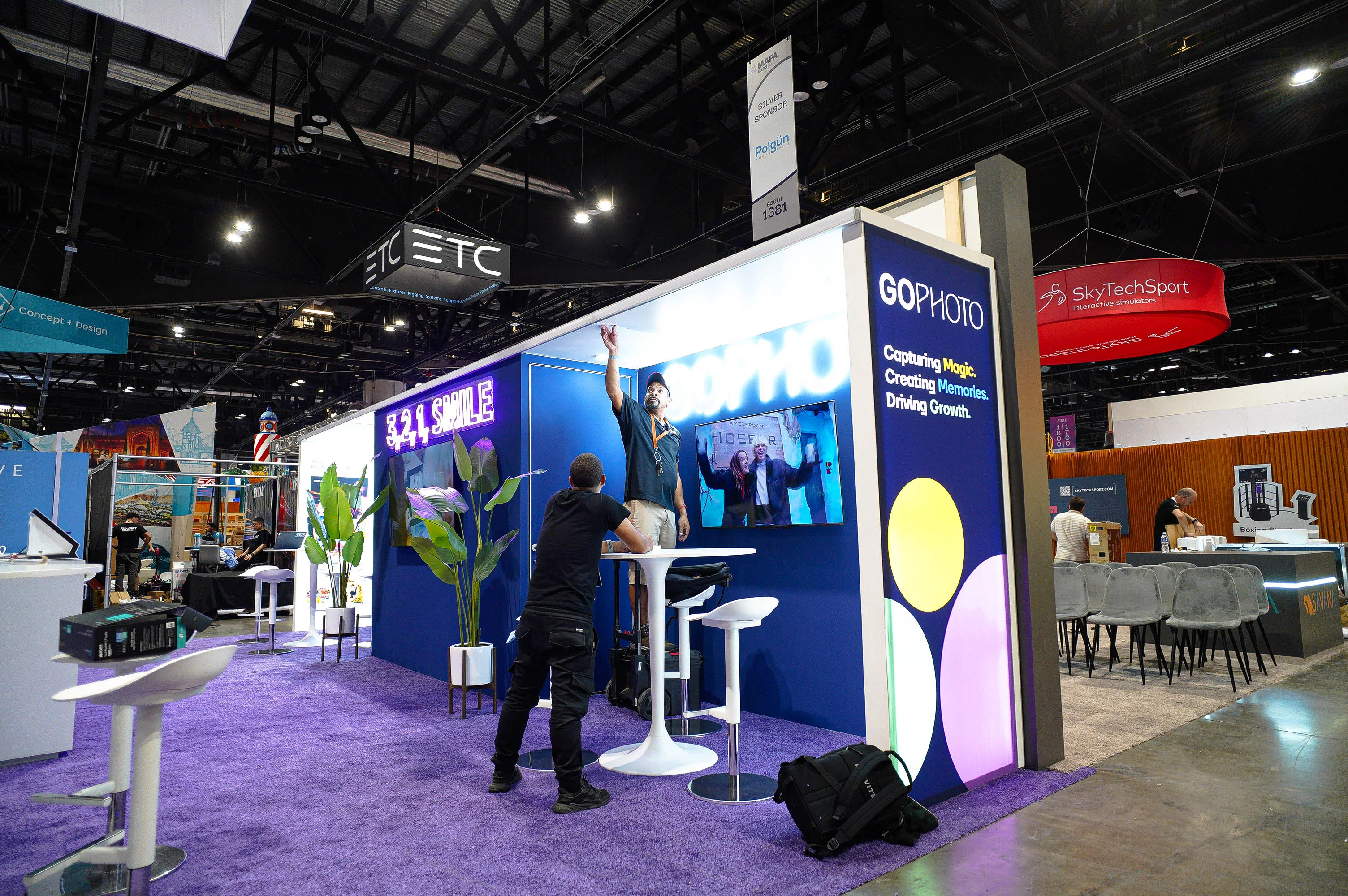
Signal 01Precise crew sizing matched to booth dimensions and venue hall specs like GWCC's expansive exhibit floors or GICC's airport-adjacent layouts
Planning focus
Signal 02Timeline synchronization for move-in move-out and show-day adjustments across downtown airport and suburban zones
Local requirement
Signal 03Skill-based team assembly for specialized tasks including I&D supervision and activation support
Execution detail
Brief
Managing labor for trade shows in Atlanta demands a structured approach that accounts for the city's four key operating zones: the dense downtown cluster led by Georgia World Congress Center Centennial Olympic Park and AmericasMart; the airport corridor.
This coordination extends to aligning labor timelines with show schedules where downtown venues handle massive conventions and market weeks while airport sites prioritize quick-turn fly-in conferences and suburban facilities support regional corporate.
Focus
Core Elements of Atlanta Trade Show Labor Coordination
Focus 02
Timeline synchronization for move-in move-out and show-day adjustments across downtown airport and suburban zonesFocus 03
Skill-based team assembly for specialized tasks including I&D supervision and activation supportFocus 04
Real-time oversight to address on-site variables such as freight delays or configuration changesFocus 05
Scalable planning for single-venue installs versus multi-site programs spanning Atlanta's four corridorsFocus 06
Compliance alignment with venue policies on labor protocols safety measures and access controlsFocus 07
Post-event debriefs to refine future deployments based on zone-specific performance dataPlanning notes
What shapes the work.
Note 01
Assessing Labor Demands by Atlanta Venue Cluster
In downtown Atlanta's flagship zone the Georgia World Congress Center Centennial Olympic Park and AmericasMart generate labor needs driven by large-scale conventions flagship exhibits public activations and extended market-week operations. Coordinators.
Note 02
Developing Detailed Labor Schedules and Rosters
Schedules for Atlanta trade shows originate from venue floor plans and show manuals detailing move-in windows typically starting 48-72 hours pre-show for downtown complexes like GWCC where phased access to halls a through D allows staggered crew arrivals.
- Hourly breakdowns for install dismantle and refresh phases
- Shift overlaps for handoffs in multi-day builds
- Contingency slots for venue-mandated delays or client changes
Note 03
On-Site Supervision Across Multi-Zone Operations
Supervision in Atlanta's downtown cluster involves monitoring crews navigating GWCC's interconnected halls Centennial Park's outdoor transitions and AmericasMart's vertical showroom stacks with leads stationed at key chokepoints to enforce sequencing and.
Note 04
Installation and Dismantle Execution Strategies
Installation strategies for GWCC prioritize modular sequencing starting with flooring and structures in lower halls progressing to graphics and interactives in upper levels with labor phased to avoid bottlenecking pedestrian bridges. Dismantle reverses this.
- Pre-fab component prioritization to cut on-site hours
- Tool and rigging inventories per zone
- Waste management integration during teardowns
Note 05
Safety and Compliance in Labor Deployments
Atlanta venue policies mandate labor adherence to OSHA-aligned protocols amplified by GWCC's planning guide specifics on fall protection in arena rigging and crowd management near Centennial Park activations. Coordinators embed safety briefings into rosters.
Note 06
Scaling Labor for Programmatic Exhibit Runs
Multi-show programs spanning Atlanta's zones require elastic labor scaling from single booth I&D at Cobb to full-hall deployments at GWCC with coordinators pooling rosters for efficiency across downtown airport northwest and northeast corridors. This approach.
- Zone-to-zone crew rotations
- Volume-based pricing tiers
- Performance benchmarking across deployments
Note 07
Vendor Integration and Contractor Oversight
Labor management interfaces with exhibitor-appointed contractors at Atlanta venues by establishing clear scopes for I&D segregation at GWCC where general contracting oversight unifies disparate teams amid hall complexities. Coordinators facilitate handoffs.
Note 08
Post-Show Labor Analysis and Continuous Improvement
Debriefs following Atlanta deployments dissect labor metrics from GWCC's expansive teardowns to GICC's rapid cycles identifying efficiencies like optimized crating sequences or zone-specific travel reductions. Reports quantify hours saved versus benchmarks.
- KPI tracking: on-time completion overtime variance safety incidents
- Client surveys integrated into planning
- Predictive modeling for seasonal peaks
Questions
Frequently Asked Questions on Atlanta Trade Show Labor Management
How do you determine crew sizes for GWCC versus GICC events?
Crew sizing derives from venue floor plans booth specs and show manuals with GWCC requiring larger teams for multi-hall scales while GICC's compact layouts and quick turns demand fewer but faster-skilled personnel adjusted for activation add-ons.
What timelines apply to move-in at AmericasMart market weeks?
AmericasMart schedules extend across weeks with phased move-ins per building level allowing rolling labor deployment coordinated with showroom access and buyer preview rhythms.
How is labor supervised across Atlanta's suburban venues?
Suburban oversight at Cobb and Gas South employs site-embedded leads managing ballroom integrations regional logistics and event handoffs with digital tracking for real-time client updates.
What safety measures are standard in downtown activations?
Downtown protocols per GWCC guides include rigging certifications crowd barriers and emergency egress plans amplified for Centennial Park's public-facing elements.