
Focus 01
Positioning within Atlanta's four distinct operating zonesLocation
Buford GA Trade Show Exhibit Planning
Strategic coordination for exhibitions in the northeast Atlanta corridor, where Buford aligns with the distinct operational rhythms of the Duluth-Gwinnett market segment.
Signal 01Positioning within Atlanta's four distinct operating zones
Planning focus
Signal 02Venue scale differentiation in the Gwinnett corridor
Local requirement
Signal 03Cross-zone logistics between northeast suburbs and downtown
Execution detail
Brief
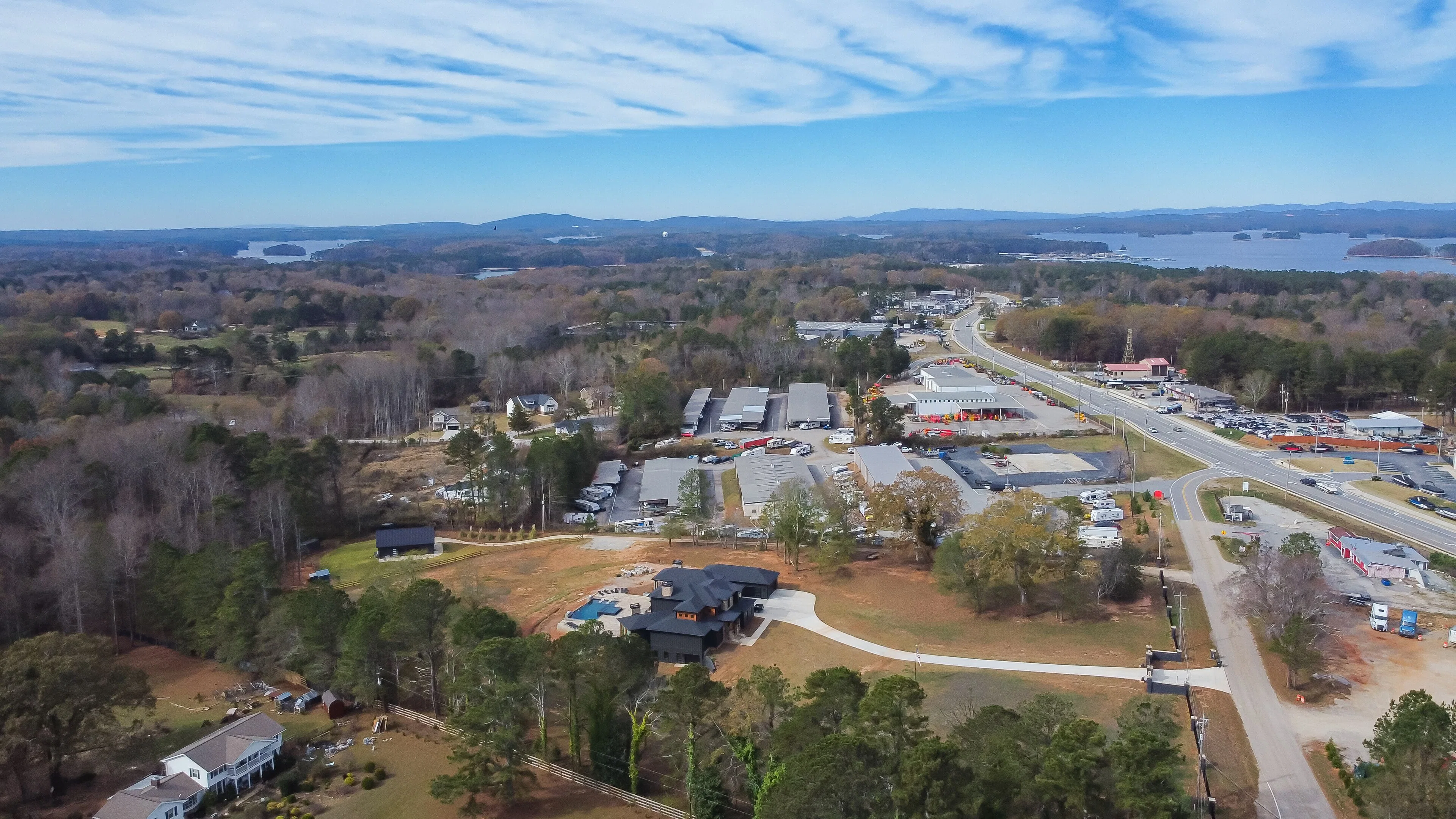
Buford anchors a key portion of Atlanta's northeast suburban trade show corridor within the broader four-zone framework that defines the region's exhibition demand. This area captures corporate, association, and community events that operate with different.
The Duluth-Gwinnett corridor, including Buford, complements the airport-adjacent zone designed around the Georgia International Convention Center and Gateway Center Arena at College Park, as well as the northwest Cobb submarket. Each zone maintains specific.
Focus
Core Planning Elements for Buford Exhibitions
Focus 02
Venue scale differentiation in the Gwinnett corridorFocus 03
Cross-zone logistics between northeast suburbs and downtownFocus 04
Audience targeting for regional corporate and association eventsFocus 05
Timeline alignment with suburban versus flagship venue calendarsFocus 06
Budget frameworks optimized for northeast Atlanta programsFocus 07
Engagement strategies matched to Buford-area demographicsPlanning notes
What shapes the work.
Note 01
Atlanta's Four-Zone Trade Show Framework and Buford's Position
Atlanta's trade show demand distributes across four practical operating zones rather than concentrating in a single district. Downtown Atlanta operates as the flagship convention area where the Georgia World Congress Center, Centennial Olympic Park, and.
- Airport zone focused on GICC and Gateway Center Arena convenience
- Cobb submarket for northwest corporate and association demand
- Duluth-Gwinnett corridor including Buford for suburban regional events
Note 02
Venue Nuances Shaping Northeast Suburban Exhibit Strategy
Venues serving the Buford and Gwinnett area, such as the Gas South Convention Center, present different spatial and operational parameters compared to downtown flagship facilities. These suburban venues often accommodate corporate gatherings, industry.
Note 03
Cross-Zone Coordination Between Buford and Core Atlanta Venues
Organizations targeting Buford frequently extend their Atlanta presence to downtown or airport venues, requiring coordinated timelines that bridge distances of 30 to 45 miles depending on specific destinations. Planning addresses transportation sequencing.
- Transportation and timing alignment across northeast and downtown routes
- Integration of venue-specific technical and scheduling requirements
- Resource allocation that supports multi-zone program efficiency
Note 04
Custom Program Development for Gwinnett Corridor Events
Exhibit programs for the Buford area gain effectiveness when custom elements reflect the regional corporate and association focus prevalent in the Duluth-Gwinnett corridor. Rather than replicating downtown solutions, planning emphasizes modular components.
Note 05
Timeline Management and Operational Detail for Buford Programs
Comprehensive timeline development for Buford exhibitions accounts for the full cycle from concept validation through post-event evaluation, synchronized with both suburban event calendars and overlapping downtown or Cobb schedules. Early-stage coordination.
- Milestone alignment with suburban and flagship venue calendars
- Transportation contingencies for northeast Atlanta routes
- Metrics collection tailored to regional event outcomes
Note 06
Budget Frameworks and ROI Optimization in the Northeast Corridor
Financial planning for Buford exhibitions weighs the cost structures of suburban venues against those in downtown or airport zones, identifying opportunities to distribute investment in custom components across multiple events. Coordination identifies which.
Note 07
Technology Integration and Audience Engagement Tactics
Modern Buford exhibitions increasingly incorporate digital components selected for compatibility with northeast venue infrastructure and the technical expectations of regional professionals. Planning evaluates these elements against documented performance in.
- Digital tools matched to Gwinnett venue capabilities
- Engagement models calibrated for regional decision makers
- Technology choices validated against Atlanta market patterns
Questions
Frequently Asked Questions About Planning Buford Exhibitions
How does Buford relate to Atlanta's overall trade show zones?
Buford operates within the Duluth-Gwinnett corridor, one of four primary zones that also include downtown Atlanta with the Georgia World Congress Center, the airport corridor with the Georgia International Convention Center, and the Cobb submarket. This distribution shapes how exhibits are planned for distinct venue types and audience profiles.
What venues primarily serve the Buford and Gwinnett area?
The Gas South Convention Center in the nearby Duluth area functions as a key facility capturing corporate, association, and community demand in the northeast corridor. Planning coordinates these suburban venues with downtown options such as Centennial Olympic Park and AmericasMart when programs span multiple zones.
Why focus on district-level differentiation in Buford planning?
Each Atlanta zone maintains unique operational characteristics, attendee expectations, and venue requirements. Buford programs benefit from approaches that respect the suburban accessibility and targeted professional focus of the northeast corridor rather than applying downtown conventions uniformly.
How far ahead should Buford exhibit planning begin?
Programs benefit from six to twelve months of lead time depending on scope, allowing for timeline alignment across zones, proper sequencing with venues like the Georgia World Congress Center, and development of elements suited to Gwinnett corridor events.