
Focus 01
Mapping Atlanta’s four practical operating zones against specific Douglasville business objectivesLocation
Douglasville GA Trade Show Exhibit Planning for Atlanta Venues
Strategic coordination resources for Douglasville organizations navigating Atlanta’s four distinct convention zones and venue clusters.
Signal 01Mapping Atlanta’s four practical operating zones against specific Douglasville business objectives
Planning focus
Signal 02Differentiating downtown flagship demand at GWCC, Centennial Olympic Park, and AmericasMart
Local requirement
Signal 03Evaluating airport-corridor convenience centered on GICC and Gateway Center Arena
Execution detail
Brief
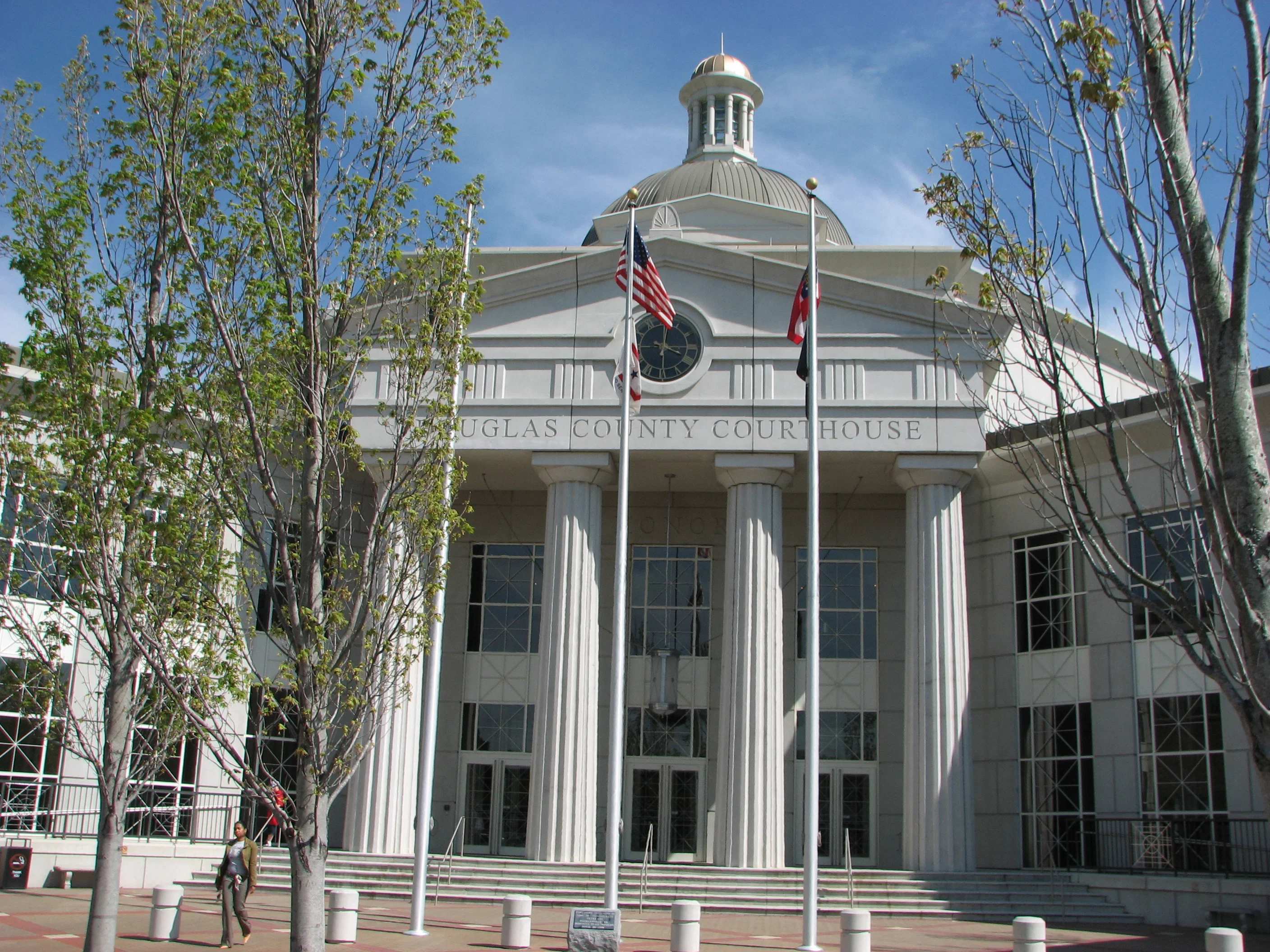
Douglasville anchors the western edge of the Atlanta metropolitan exhibition market, offering organizations practical highway access to the region’s primary demand centers. The city’s position along the I-20 corridor connects smoothly to downtown flagship.
Atlanta’s trade show demand does not concentrate in a single downtown hub. Instead, it distributes across four practical operating zones, each formed by different venue capabilities, audience profiles, corporate concentrations, and logistical characteristics.
Focus
Core Planning Considerations for Douglasville Exhibitors
Focus 02
Differentiating downtown flagship demand at GWCC, Centennial Olympic Park, and AmericasMartFocus 03
Evaluating airport-corridor convenience centered on GICC and Gateway Center ArenaFocus 04
Aligning with northwest suburban demand captured by Cobb Convention CenterFocus 05
Integrating northeast corridor opportunities at Gas South Convention CenterFocus 06
Selecting exhibit approaches that support rotation across multiple venue typesFocus 07
Developing zone-specific timelines that respect differing installation and audience patternsPlanning notes
What shapes the work.
Note 01
Atlanta’s Four-Zone Exhibition Structure and Douglasville Access
The Atlanta trade show market functions through four distinct operating zones rather than a monolithic downtown core. Downtown Atlanta serves as the flagship district where the Georgia World Congress Center, Centennial Olympic Park, and AmericasMart generate.
- Airport corridor emphasizing fly-in convenience at GICC
- Cobb northwest submarket focused on corporate and regional events
- Gwinnett northeast corridor serving suburban community demand
Note 02
Flagship Downtown Venues and Their Distinct Planning Requirements
The Georgia World Congress Center operates as Atlanta’s premier convention facility, accommodating massive trade shows and conferences that require exhibits capable of commanding attention across expansive floor plates. Its documented planning resources.
Note 03
Airport Corridor Venues and Fly-In Operational Advantages
The Georgia International Convention Center anchors the airport-adjacent zone, deliberately positioned to capitalize on ATL SkyTrain connectivity and minimal ground transfer times for national attendees. Its floor plans and loading configurations support both.
- Direct SkyTrain access reducing ground transportation needs
- Floor plans optimized for both standard and custom displays
- Compressed timelines requiring efficient installation sequencing
- Audience profiles favoring convenience and quick engagement
Note 04
Northwest Suburban Venues in the Cobb Submarket
The Cumberland and Cobb submarket addresses distinct demand drivers outside Atlanta’s urban core. The Cobb Convention Center and associated northwest facilities host corporate meetings, regional association gatherings, and specialized industry events that.
Note 05
Northeast Corridor Venues and Gwinnett County Demand
The Duluth and Gwinnett corridor, led by facilities such as the Gas South Convention Center, serves a growing base of technology, manufacturing, and community organizations concentrated in Atlanta’s northeast suburbs. These venues capture events that blend.
- Technology and manufacturing industry concentrations
- Regional networking emphasis in suburban settings
- Varied event formats requiring flexible exhibit approaches
- Calendar alignment opportunities with other Atlanta zones
Note 06
Integrated Multi-Zone Coordination Strategies
The most effective Atlanta exhibition programs treat the four zones as complementary components of a unified market strategy rather than isolated opportunities. Douglasville organizations often discover that a single custom exhibit platform can be engineered.
Note 07
Venue-Specific Design and Fabrication Considerations
Each Atlanta venue cluster imposes distinct technical parameters that influence fabrication choices. The Georgia World Congress Center’s expansive halls reward large-format custom structures with integrated lighting and digital components, while GICC’s more.
- Scale and sightline requirements by hall size
- Material specifications for indoor versus outdoor use
- Modularity for multi-venue rotation efficiency
- Technology integration aligned with venue infrastructure
Questions
Frequently Asked Questions About Douglasville Trade Show Planning
Why does Atlanta require four-zone exhibit planning instead of a single downtown approach?
Atlanta’s trade show demand distributes across downtown flagship venues, the airport and College Park corridor, the Cumberland and Cobb northwest submarket, and the Duluth and Gwinnett northeast corridor. Each zone features different venue scales, audience profiles, and operational requirements that affect exhibit design, timing, and expected outcomes.
Which major venues should Douglasville organizations consider for their Atlanta programs?
Key venues include the Georgia World Congress Center, Centennial Olympic Park, and AmericasMart in the downtown cluster; the Georgia International Convention Center and Gateway Center Arena in the airport corridor; Cobb Convention Center in the northwest; and Gas South Convention Center in the northeast. Selection depends on target audience alignment and event calendars.
How should exhibit design decisions account for Douglasville’s western metro location?
The location provides direct interstate access to Cobb and downtown venues while maintaining reasonable transit to airport and northeast facilities. This supports zone-spanning programs that utilize modular or reconfigurable systems capable of efficient transport and reinstallation across differing venue specifications.
What factors determine whether to invest in custom fabrication versus modular exhibits for Atlanta events?
Custom fabrication suits high-impact downtown flagship appearances with lower rotation frequency. Modular systems deliver better ROI for organizations participating across multiple zones and numerous annual events where rapid reconfiguration, storage practicality, and reuse potential reduce long-term costs.