
Focus 01
Integration with airport corridor logistics and SkyTrain access patternsLocation
Trade Show Exhibit Planning for East Point, GA
East Point occupies a strategic position in Atlanta’s airport corridor, where fly-in convenience and proximity to dedicated convention infrastructure shape distinct exhibit coordination requirements.
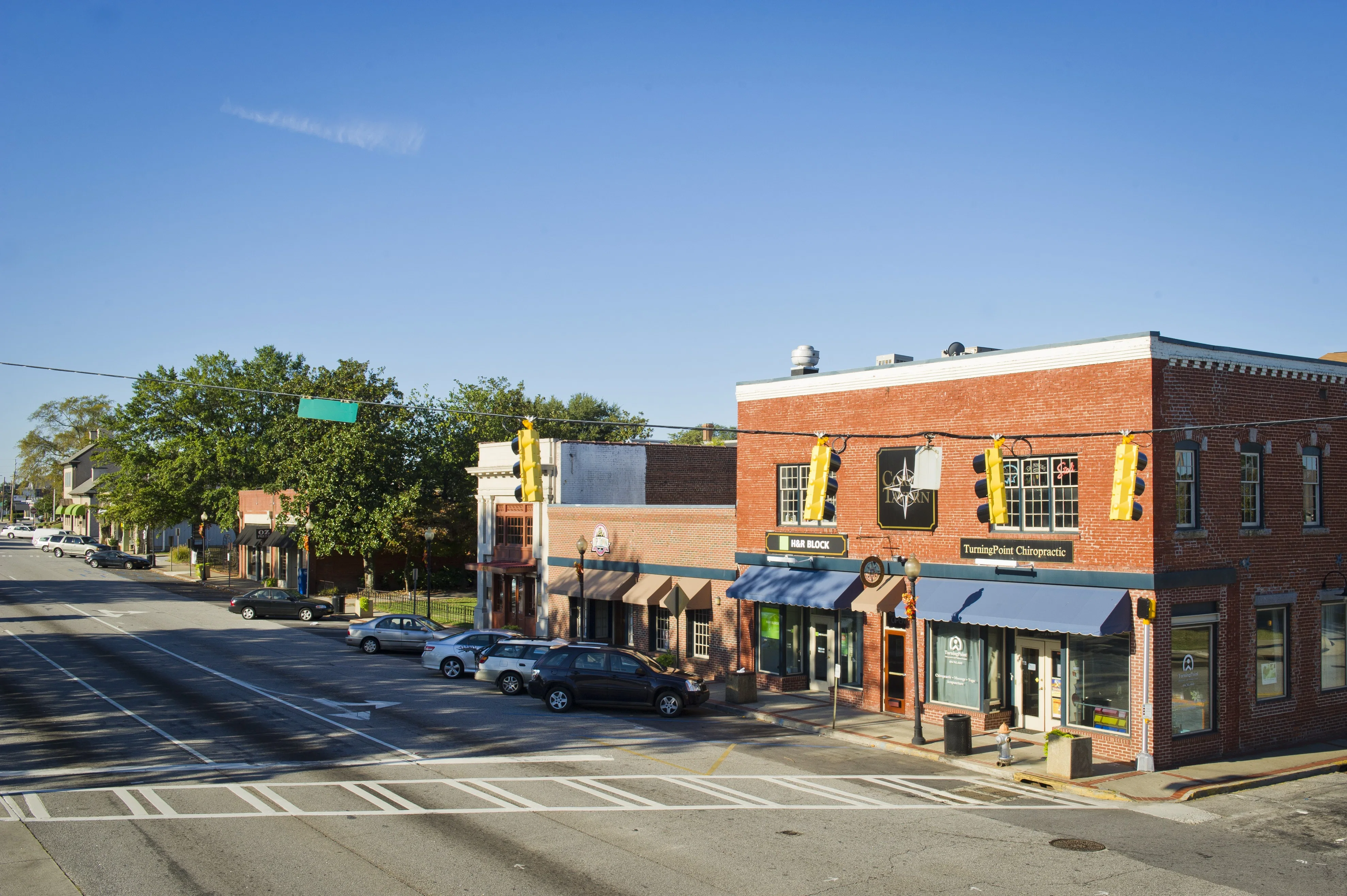
Signal 01Integration with airport corridor logistics and SkyTrain access patterns
Planning focus
Signal 02Adaptation of custom exhibits for fly-in attendee demographics
Local requirement
Signal 03Differentiation from downtown convention cluster density
Execution detail
Brief
East Point, Georgia, functions as an integral component of the Atlanta metropolitan trade show ecosystem, situated within the airport and College Park operational zone. This placement leverages direct access to Hartsfield-Jackson Atlanta International.
Atlanta’s trade show demand distributes across four defined zones—downtown, the airport corridor, the Cumberland-Cobb submarket, and the Duluth-Gwinnett corridor—each presenting unique operational parameters. Within the airport corridor, East Point supports.
Focus
Core Planning Considerations for East Point Exhibitions
Focus 02
Adaptation of custom exhibits for fly-in attendee demographicsFocus 03
Differentiation from downtown convention cluster densityFocus 04
Coordination with College Park-adjacent venue operational requirementsFocus 05
Emphasis on transport-efficient modular and custom fabricationFocus 06
Alignment with Atlanta’s multi-zone trade show calendarFocus 07
Scalable program development for secondary-priority market segmentsPlanning notes
What shapes the work.
Note 01
East Point’s Position Within Atlanta’s Four-Zone Trade Show Framework
Market analysis identifies four practical operating zones that define Atlanta trade show activity: the flagship downtown cluster led by the Georgia World Congress Center, Centennial Olympic Park, and AmericasMart; the airport and College Park corridor; the.
- Downtown zone serves deepest exhibit and buyer-showroom demand
- Airport corridor prioritizes GICC and Gateway Center Arena fly-in access
- Cobb and Gwinnett zones capture suburban corporate and community events
- East Point provides complementary commercial base within airport corridor
Note 02
Venue-Specific Coordination for the Airport Corridor Cluster
The Georgia International Convention Center and Gateway Center Arena establish the core infrastructure for the airport corridor, with positioning that capitalizes on direct SkyTrain links from Hartsfield-Jackson terminals. East Point’s adjacency allows.
- SkyTrain connectivity minimizes transit from airport to exhibit floor
- Venue documentation guides precise dimensional and technical planning
- Modular components accommodate multi-venue corridor schedules
- Fly-in focus shapes graphics and messaging for brief engagement windows
Note 03
Custom Fabrication Approaches Optimized for East Point Programs
Exhibit House of Atlanta maintains fabrication expertise that addresses the distinct requirements of airport-corridor events. Custom solutions incorporate durable yet lightweight materials selected for repeated shipping cycles between Atlanta zones and.
Note 04
Logistics Planning and Multi-Zone Program Integration
Successful East Point exhibitions require logistics frameworks that respect Atlanta’s distributed venue geography. Planning resources map shipment routing from fabrication facilities to airport-corridor receiving docks, then onward to subsequent stops in.
- Pre-planned routing across Atlanta’s four operational zones
- Advance alignment with documented venue receiving schedules
- Flexible assets supporting both airport and downtown deployments
- Immediate-impact design for same-day fly-in attendee patterns
Note 05
Differentiating East Point from Other Atlanta Market Segments
While downtown Atlanta functions as the flagship convention zone with its concentration of GWCC, Centennial Olympic Park, and AmericasMart demand, East Point represents the airport corridor’s practical complement. Planning for East Point prioritizes.
Note 06
Developing Scalable Exhibit Programs for South Metro Events
Long-term planning for East Point incorporates scalability principles that accommodate varying event sizes within the airport corridor. Resources guide selection of core structural elements that expand or contract through interchangeable components, allowing.
- Modular cores supporting multiple scale configurations
- Technology integration matched to venue infrastructure
- Metrics focused on fly-in attendee behavior patterns
- Iterative refinement across annual multi-zone schedules
Note 07
Future Considerations for East Point Trade Show Growth
Atlanta’s continued evolution as a convention destination includes sustained investment in airport-corridor infrastructure, positioning East Point for increased relevance in years ahead. Planning resources monitor documented expansion patterns at GICC and.
Questions
Frequently Asked Questions About East Point Trade Show Planning
How does East Point fit into Atlanta’s overall trade show zones?
East Point operates within the airport and College Park corridor, one of four practical zones that also include downtown Atlanta, Cumberland-Cobb, and Duluth-Gwinnett. This corridor emphasizes fly-in convenience through proximity to Hartsfield-Jackson Atlanta International Airport and SkyTrain access to venues such as the Georgia International Convention Center.
What makes exhibit planning different for the East Point area?
Planning for East Point prioritizes transport-efficient designs, rapid deployment for fly-in teams, and integration with airport-adjacent venue specifications. This differs from downtown’s immersive showroom focus or northern suburban emphasis on community-scale events.
Which major venues serve events near East Point?
The Georgia International Convention Center and Gateway Center Arena anchor the airport corridor, offering facilities specifically positioned for air-travel convenience. Coordination resources align exhibit programs with the documented layouts and access protocols of these venues.
Should exhibitors use the same displays across all Atlanta zones?
Modular custom systems often provide the most effective solution, allowing core elements to adapt between airport-corridor requirements and downtown or suburban specifications while maintaining brand consistency and controlling long-term costs.