
Focus 01
Integration within the Duluth-Gwinnett corridor as one of Atlanta's four primary event zonesLocation
Suwanee GA Trade Show Exhibits: Planning for Atlanta's Northeast Corridor
Strategic coordination for Suwanee organizations participating in Atlanta trade shows across downtown, airport, Cobb, and Gwinnett event zones.
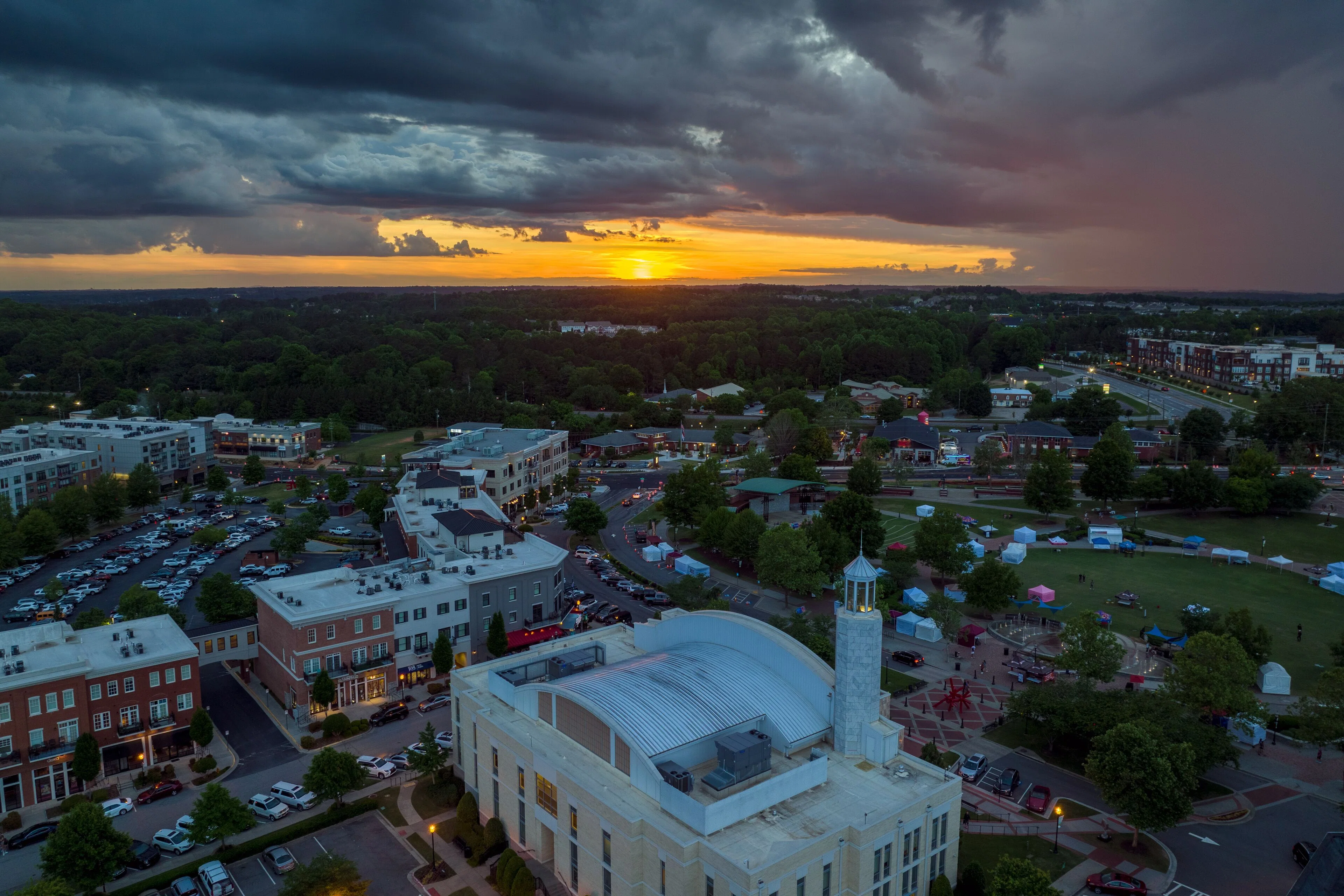
Signal 01Integration within the Duluth-Gwinnett corridor as one of Atlanta's four primary event zones
Planning focus
Signal 02Adaptation of booth concepts to suit both suburban expo scale and downtown flagship venues
Local requirement
Signal 03Coordination of timelines that span multiple facility types across the metro region
Execution detail
Brief
Suwanee occupies a strategic position in the Duluth and Gwinnett corridor, recognized as one of four distinct operating zones that shape Atlanta trade show demand. This northeast suburban location allows companies to engage efficiently with both nearby expo.
The broader Atlanta market features a clear division of activity. Downtown remains the primary convention destination led by the Georgia World Congress Center, Centennial Olympic Park, and AmericasMart, generating deep demand for exhibits, activations, and.
Focus
Key Planning Considerations for Suwanee Exhibitors
Focus 02
Adaptation of booth concepts to suit both suburban expo scale and downtown flagship venuesFocus 03
Coordination of timelines that span multiple facility types across the metro regionFocus 04
Emphasis on brand consistency when moving between Gas South, GWCC, and AmericasMart environmentsFocus 05
Development of flexible systems that support repeated use across varied event calendarsFocus 06
Measurement frameworks tailored to audience differences between corridor-specific and city-wide showsPlanning notes
What shapes the work.
Note 01
Understanding Atlanta's Four-Zone Trade Show Structure
Atlanta trade show activity does not concentrate in a single district but distributes across four practical operating zones. Downtown Atlanta functions as the flagship environment where the Georgia World Congress Center, Centennial Olympic Park, and.
Note 02
Venue-Specific Coordination for Northeast Corridor Events
Events hosted in the Gwinnett corridor often feature distinct audience profiles and facility requirements compared with downtown or airport venues. Gas South Convention Center, for instance, frequently accommodates mid-sized corporate and association meetings.
- Review venue planning guides well before booth design finalization
- Account for audience flow differences between suburban and downtown halls
- Align material durability with repeated transport across metro corridors
- Coordinate graphics packages that scale without losing brand fidelity
Note 03
Custom Build and Fabrication Approaches
Custom exhibit fabrication creates environments that differentiate brands within crowded show floors. The process begins with thorough intake of event goals, audience profiles, and venue constraints rather than standardized templates. This ensures the.
Note 04
Multi-Zone Campaign Development and Timeline Management
Organizations based in Suwanee frequently participate in events distributed across all four Atlanta zones within a single fiscal year. This reality requires exhibit solutions that can be reconfigured or supplemented rather than rebuilt from scratch for each.
- Create an integrated annual calendar that flags zone-specific deadlines
- Identify reusable assets that maintain quality across multiple setups
- Build contingency buffers for transport between northeast and downtown sites
- Schedule post-show debriefs to capture lessons before the next event
Note 05
Performance Measurement Across Atlanta Venues
Trade show participation constitutes a meaningful investment of time, budget, and creative resources. Defining success metrics before the first booth is fabricated allows teams to capture relevant data at each event. Downtown shows may generate high lead.
Note 06
Selecting a Planning and Coordination Resource
The complexity of operating across Atlanta's four distinct zones favors partnerships with teams that demonstrate market-wide perspective. A planning resource should possess working knowledge of venue specifications at the Georgia World Congress Center, Gas.
Note 07
Operational Best Practices for Sustained Success
Consistent performance across multiple Atlanta events rests on repeatable operational practices. These include standardized pre-event checklists, clear documentation of past configurations, and proactive communication protocols with all third parties involved.
Questions
Frequently Asked Questions About Suwanee Exhibit Planning
How does Suwanee relate to Atlanta's broader trade show market?
Suwanee forms part of the Duluth and Gwinnett corridor, one of four operational zones that organize Atlanta exhibit demand alongside downtown, airport, and Cobb submarkets. This positioning allows companies to access both regional events at venues such as Gas South Convention Center and larger conventions at downtown flagship facilities.
What should Suwanee companies prioritize when planning exhibits for multiple Atlanta venues?
Focus on flexible designs that adapt to different hall scales and audience expectations, synchronized timelines that account for transport between zones, and measurement systems that capture performance variations between suburban and downtown environments. Early coordination helps align these elements before fabrication begins.
Is custom fabrication necessary for Gwinnett corridor events?
Custom elements can strengthen differentiation at any venue, including those in the Gwinnett corridor. The decision depends on objectives, audience density, and competitive context. Many organizations combine modular systems with targeted custom features to balance impact and cost across an annual program.
How far ahead should planning begin for events at the Georgia World Congress Center or Gas South?
Planning ideally starts six to twelve months in advance for major shows, with fabrication and graphics development following initial strategy approval. Earlier engagement allows thorough venue research, concept testing, and alignment with internal marketing calendars.