
Focus 01
Strategic space allocation matching exhibit volumes to venue capacities in downtown, airport, Cobb, and Gwinnett zonesService
Advance Warehouse Coordination for Atlanta Trade Shows
Expert advance warehouse coordination ensures smooth logistics across Atlanta's diverse convention zones, from the high-volume downtown cluster to airport-adjacent facilities and suburban expo centers.
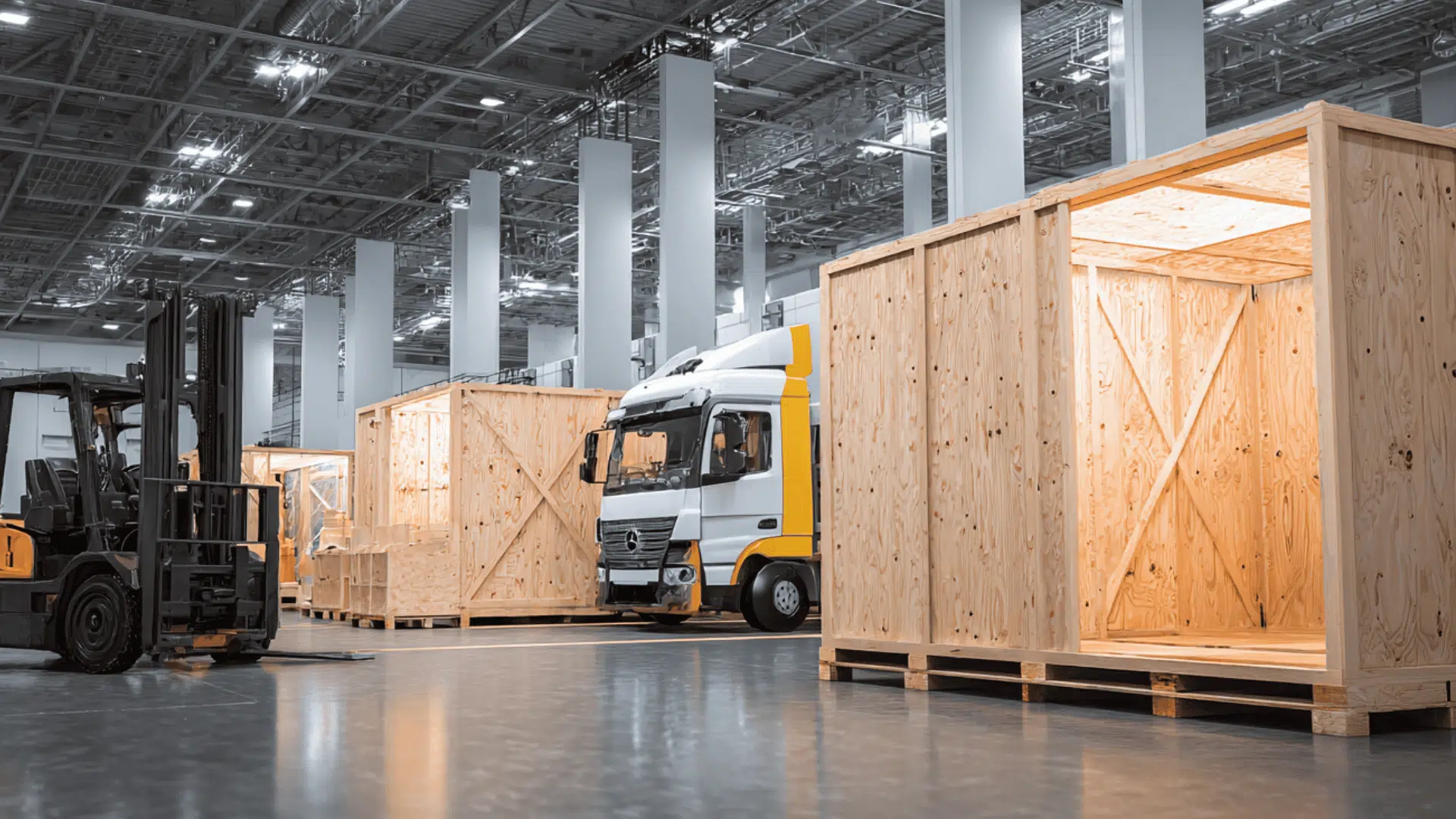
Signal 01Strategic space allocation matching exhibit volumes to venue capacities in downtown, airport, Cobb, and Gwinnett zones
Planning focus
Signal 02Freight routing optimization via I-75, I-85, and SkyTrain corridors to reduce transit delays
Local requirement
Signal 03Inventory audits and condition reporting prior to staging for GWCC and AmericasMart-scale events
Execution detail
Brief
Atlanta's trade show ecosystem demands precise warehouse planning to handle the influx of exhibits destined for venues like the Georgia World Congress Center, AmericasMart, and Georgia International Convention Center. The coordination involves meticulous.
By aligning warehouse activities with venue-specific load-in schedules and transportation corridors, coordination minimizes dwell times and maximizes efficiency for exhibitors targeting GWCC's expansive halls, Centennial Olympic Park's outdoor activations, or.
Focus
Essential Components of Advance Warehouse Coordination
Focus 02
Freight routing optimization via I-75, I-85, and SkyTrain corridors to reduce transit delaysFocus 03
Inventory audits and condition reporting prior to staging for GWCC and AmericasMart-scale eventsFocus 04
Custom crating and uncrating protocols adapted to large-format displays and modular buildsFocus 05
Smooth handoff protocols to installation crews at sites like Georgia International Convention CenterFocus 06
Contingency planning for weather impacts on Centennial Olympic Park outdoor elementsFocus 07
Post-event debriefs to refine future coordination across multi-venue programsPlanning notes
What shapes the work.
Note 01
Navigating Atlanta's Four Operational Zones for Warehouse Strategy
Atlanta's trade show landscape divides into four distinct zones, each with warehouse coordination imperatives formed by venue density and attendee flows. Downtown Atlanta stands as the primary hub, where the Georgia World Congress Center, Centennial Olympic.
Note 02
Pre-Show Inventory and Space Reservation Protocols
Initiating the coordination starts with a comprehensive inventory manifest review, cross-referenced against venue floor plans from sources like GWCC's planning guide. For downtown clusters, this means projecting cubic footage for AmericasMart's showroom.
- Digital manifests synced to venue CAD files
- Climate specs matched to exhibit materials
- Vendor capacity audits for peak seasons
Note 03
Freight Synchronization and Routing Across Corridors
Timing freight arrivals hinges on venue load-in calendars, with downtown Atlanta's GWCC enforcing strict dock schedules amid its convention marathon. Advance coordination plots routes along I-20 and I-75/85 connectors, staging outbound trucks to dovetail with.
Note 04
Staging, Uncrating, and Condition Verification
Once freight consolidates in the warehouse, staging mirrors venue footprints—for instance, replicating GWCC hall grids to facilitate forklift choreography and pre-assembly checks. Uncrating protocols prioritize sequential access, safeguarding finishes on.
- Footprint-mapped staging bays
- Sequential uncrate workflows
- Photo-documented inspections
Note 05
Handoff to Installation and Risk Management
Smooth transitions to installation crews require synchronized manifests, particularly for GWCC's union halls where timing aligns with I&D windows. Warehouse coordinators brief show-floor coordinators with as-built notes from staging, covering torque specs for.
Note 06
Post-Event Retrieval and Debrief Optimization
Dismantle reverse-engineers the inbound process, with warehouse slots pre-reserved for GWCC's marathon move-outs amid overlapping conventions. Coordinators sequence retrievals to match AmericasMart's buyer teardown cadences, consolidating partial loads for.
- Reverse-sequence retrievals
- Dwell-time analytics
- Storage bridging protocols
Note 07
Multi-Venue Program Scaling and Integration
Exhibitors running roadshows across zones—from GWCC flagship to GICC satellites—leverage unified warehouse oversight to centralize manifests. This scales inventory across downtown volumes and suburban flex-spaces, optimizing truck utilization via consolidated.
Questions
Frequently Asked Questions on Advance Warehouse Coordination
How does advance warehouse coordination differ for downtown versus suburban Atlanta venues?
Downtown zones like GWCC and AmericasMart require higher-volume reservations and tighter dock timings due to convention density, while suburban sites such as Cobb Convention Center allow more flexible phasing for regional events, both optimized via zone-specific routing.
What role does ATL SkyTrain play in airport corridor coordination?
SkyTrain access accelerates freight from warehouses to GICC and Gateway Arena, enabling Just in Time staging that cuts ground delays for fly-in conferences and sports activations.
Can warehouse coordination handle custom exhibit variations across zones?
Yes, protocols adapt staging to modular, hanging, or outdoor elements, with pre-assembly checks tailored to GWCC halls, Centennial Park exposures, or Gas South ballrooms.
How are risks like weather or traffic mitigated?
Contingencies include buffered schedules, GPS tracking, and climate-controlled reserves, addressing Atlanta's storms and I-75/85 peaks impacting all zones.