
Focus 01
Aligning custom exhibit structures with historic industrial architectureVenue
Pullman Yards Atlanta: Planning Immersive Exhibits and Activations
Strategic coordination guidance for custom exhibits, brand experiences, and experiential installations at Pullman Yards, a distinctive adaptive-reuse venue in Atlanta's Kirkwood neighborhood.
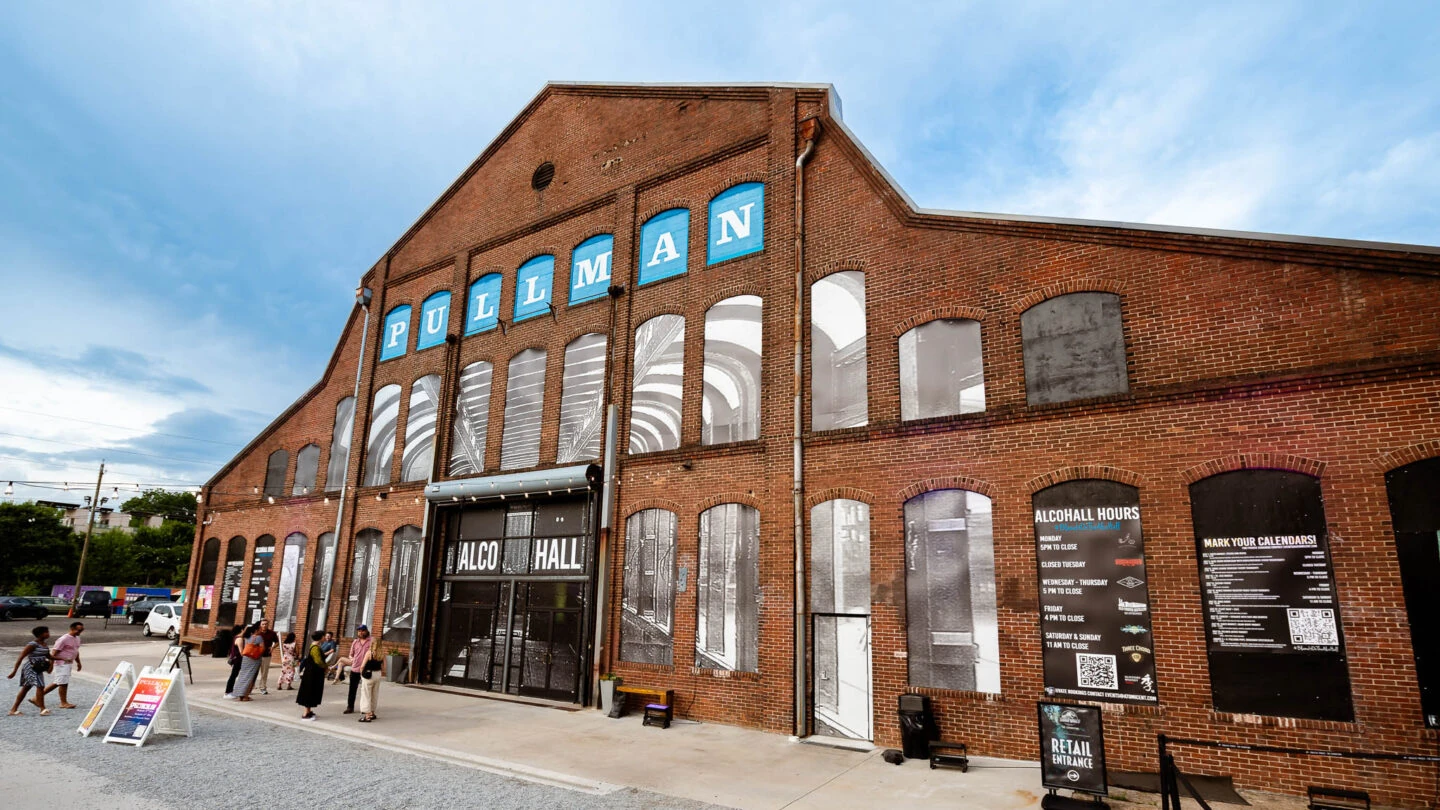
Signal 01Aligning custom exhibit structures with historic industrial architecture
Planning focus
Signal 02Sequencing activations across multiple indoor and outdoor campus spaces
Local requirement
Signal 03Incorporating immersive elements that complement the rail-yard heritage
Execution detail
Brief
Pullman Yards occupies a specialized position among Atlanta venues by transforming a historic industrial campus into a flexible environment for immersive events. Originally built as a Pullman rail yard, the property delivers multiple indoor and outdoor spaces.
As an authoritative coordination resource, the following sections examine how exhibit houses and brand teams can develop and sequence custom-built environments that respect the property's industrial heritage. Emphasis rests on design synergy, spatial.
Focus
Key Planning Considerations at Pullman Yards
Focus 02
Sequencing activations across multiple indoor and outdoor campus spacesFocus 03
Incorporating immersive elements that complement the rail-yard heritageFocus 04
Developing traffic patterns suitable for adaptive-reuse environmentsFocus 05
Coordinating fabrication timelines with venue-specific load-in windowsFocus 06
Creating brand narratives that leverage authentic industrial texturesFocus 07
Integrating technical systems without compromising original structural featuresPlanning notes
What shapes the work.
Note 01
Historic Context Shaping Event Strategy
The original construction of Pullman Yards as a rail-yard facility established an industrial vocabulary of brick, steel, and open volumes that continues to define its appeal for experiential marketing. Planners reference this background to ensure exhibit.
- Reference rail-yard origins when crafting environmental graphics
- Design modular components that navigate existing structural columns
- Schedule material audits to confirm compatibility with preserved surfaces
- Build narrative arcs that echo the site's history of innovation and transport
Note 02
Campus Layout and Spatial Flexibility
Pullman Yards spreads across a multi-building campus that mixes indoor halls with expansive outdoor areas. This configuration supports layered programming where main exhibits occupy climate-controlled interiors while supporting activations or hospitality.
Note 03
Exhibit Design for Industrial Environments
Custom fabrication for Pullman Yards benefits from embracing raw textures instead of concealing them. Metal frameworks, exposed fasteners, and substantial timber elements harmonize with the surrounding architecture and communicate durability. Design briefs.
- Specify raw finishes that reference rail-yard authenticity
- Engineer suspension points compatible with existing roof structures
- Incorporate sensor-triggered interactions that respond to visitor movement
- Balance digital components with tactile industrial surfaces
Note 04
Operational Coordination Across Spaces
Successful programs at Pullman Yards require detailed sequencing because activities often span several buildings and outdoor plazas. Move-in schedules must stagger larger structural components ahead of fragile graphic elements, while load-out plans protect.
Note 05
Brand Activation Strategies That Leverage Site Character
Pullman Yards excels for activations that rely on atmosphere rather than standardized booth grids. Brands craft journeys that begin in an outdoor forecourt, move through a dramatic indoor threshold, and conclude in a hospitality courtyard. This progressive.
- Design progressive pathways that utilize both indoor and outdoor zones
- Create focal installations that interact with existing architectural details
- Develop supporting collateral that references the Pullman rail legacy
- Plan content capture angles that showcase the venue's unique aesthetic
Note 06
Position Within Atlanta's Venue Landscape
Atlanta's event demand distributes across downtown flagship facilities, airport-adjacent venues, Cobb and Gwinnett suburban centers, and distinctive adaptive-reuse properties such as Pullman Yards. The latter addresses needs for experiential differentiation.
Note 07
Best Practices for Program Success
Early site reconnaissance remains foundational even when relying on publicly available floor plans. Teams that conduct preliminary walkthroughs identify sight-line opportunities and potential obstacles before finalizing renderings. This practice reduces.
- Initiate planning conversations at least nine months prior to move-in
- Create layered contingency plans for weather impacts on outdoor zones
- Document all power and data tie-in locations during initial surveys
- Schedule dedicated time for venue-specific safety orientations
Questions
Frequently Asked Questions About Pullman Yards Planning
What makes Pullman Yards different from Atlanta convention centers?
As a historic adaptive-reuse campus originally built as a Pullman rail yard, it supplies raw industrial character and a mix of indoor and outdoor spaces that contrast with the standardized halls found at facilities such as the Georgia World Congress Center or Cobb Convention Center. This environment favors immersive brand storytelling over grid-based booth layouts.
How should exhibits be designed for the venue's industrial aesthetic?
Successful designs reference the brick, steel, and open volumes by selecting materials and scale that complement rather than fight the architecture. Custom fabrication teams focus on modular components that navigate existing structural elements while incorporating interactive technology that respects the historic surfaces.
Is Pullman Yards suitable for large-scale corporate activations?
The campus has hosted immersive art experiences and large private events, confirming its capacity for substantial programs. Coordination emphasizes sequencing across multiple spaces, careful load-in planning, and narrative frameworks that leverage the rail-yard heritage to strengthen brand messaging.
How does Pullman Yards fit into broader Atlanta event strategies?
It serves as a differentiated option within a market that includes downtown flagship venues, airport-corridor facilities, and suburban centers. Brands often pair a primary presence at a convention center with a specialized activation at Pullman Yards to create both scale and memorable differentiation.